

VALD Testing in Dublin: Objective Movement & Strength Testing with ForceDecks and DynaMo
ALD ForceDecks and DynaMo testing at Centered Physiotherapy in Milltown, Dublin. Objective strength, power and asymmetry data for faster, evidence-based rehab. Written by Physiotherapist - Eoin Keating
VALD Testing Dublin
Objective Strength & Movement Assessment
We've added two pieces of VALD testing equipment to the clinic — ForceDecks and DynaMo. Both are used in professional sport and rehabilitation settings across the world to measure exactly how a joint or muscle group is performing, rather than relying on observation alone.
Since introducing VALD testing at Centered Physiotherapy, it's become one of the most valuable additions to how we assess and treat clients in Milltown and the wider Dublin area leading to better clinical outcomes across a wide range of injuries, from acute or longstanding low back pain to ankle sprains, and shoulder, hip, or knee injuries.
Here's what each piece of equipment does, and how VALD testing fits into a rehab or performance plan.
What Is ForceDecks?
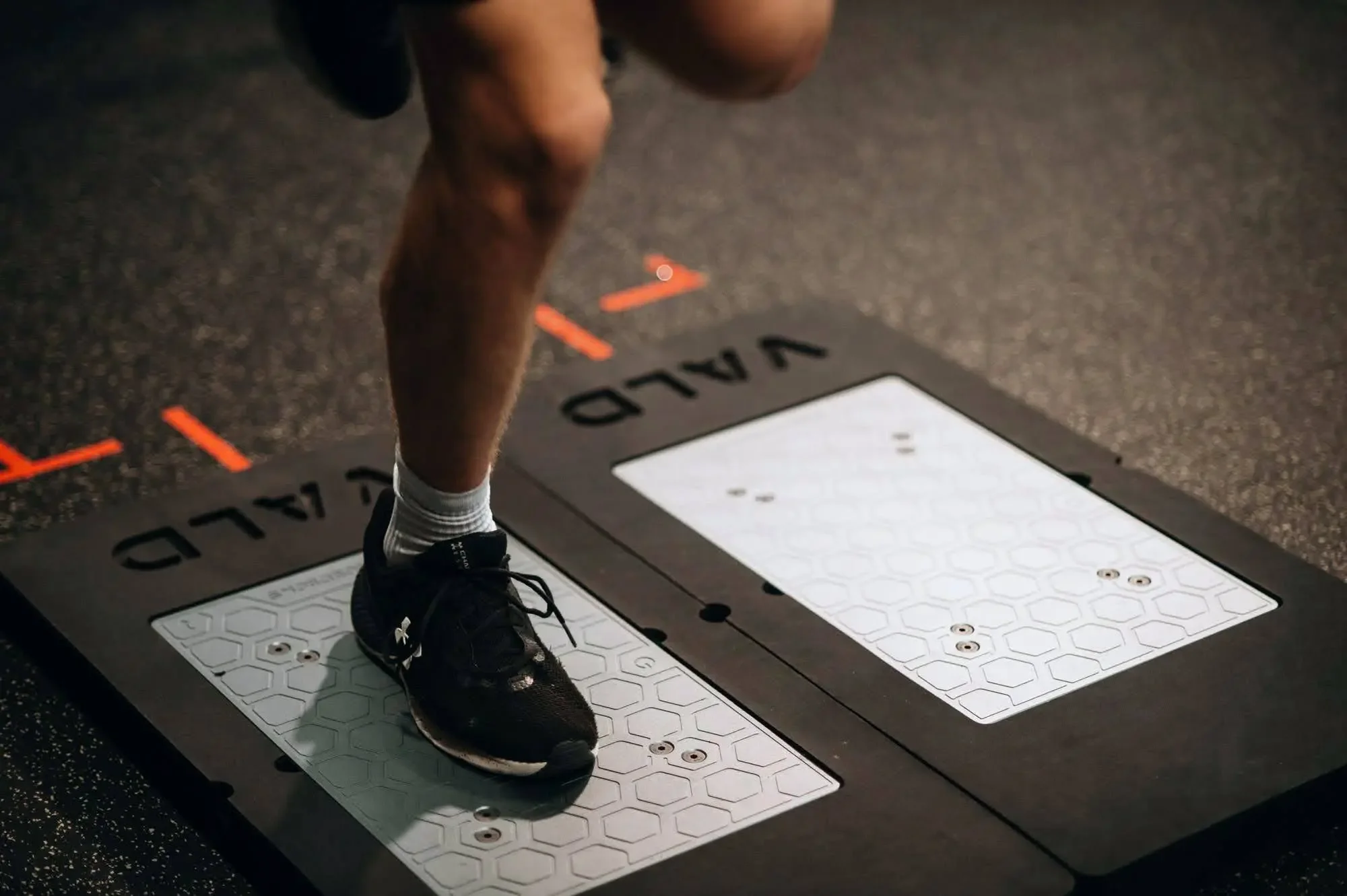
ForceDecks is a set of dual force plates that a client stands, jumps, or squats on. As they move, the plates measure the force each leg produces and absorbs in real time, giving an objective, side-by-side comparison that the eye alone can't detect.
ForceDecks testing is used to assess:
Jump height, power, and landing control
How weight is distributed between the left and right leg during a squat
Balance and weight-shifting during single-leg standing tasks
Landing mechanics after a jump, including how quickly and smoothly force is absorbed
Because the plates measure each side independently, ForceDecks can pick up strength or control asymmetries between limbs that aren't visible to the eye — something that's particularly relevant after an injury to one side of the body.
What Is DynaMo?
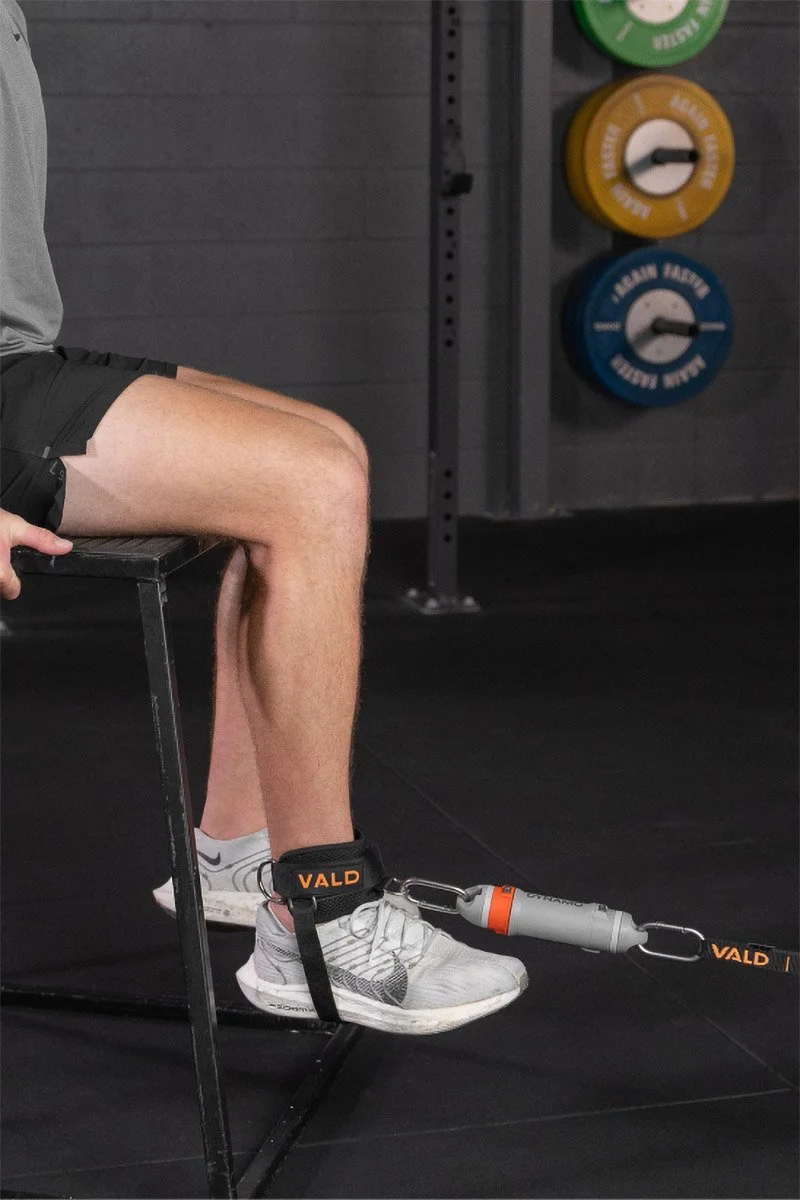
DynaMo is an inline dynamometer used to measure isometric muscle strength at a specific joint — for example, knee extension, knee flexion, hip abduction, or ankle plantar flexion strength.
Rather than a manual muscle test, which relies on the practitioner's own strength and judgement to grade a "5/5" or "4/5", DynaMo gives an exact strength value in kilograms or Newtons for that muscle group, and can compare the left side to the right side directly.
How VALD Testing Helps With Pain and Injury Recovery
A proper baseline. At the start of rehab, we can measure exactly how much strength, movement, or balance capacity has been lost, rather than estimating from how something looks or feels.
A more targeted rehab plan. VALD testing often shows precisely which muscle group, which side, or which part of a movement — for example, landing versus jumping — is underperforming. That shapes a more specific plan than a generic one.
Objective tracking of progress. Instead of relying on pain scores or subjective impressions alone, we retest at intervals and see real numbers. This makes decisions about progressing, holding, or adjusting a rehab plan more evidence-based.
Clearer return-to-sport or return-to-work decisions. For clients recovering from injuries such as ACL reconstruction, meniscus repair, or significant muscle strains, objective strength and asymmetry data supports a more confident decision about when it's appropriate to return to full activity, rather than going on time elapsed alone.
VALD Testing for Low Back Pain
Low back pain is often linked to how load is being distributed and controlled through the hips, pelvis, and legs, not just the back itself. Hip and glute strength deficits, and asymmetries in how someone squats, balances, or shifts weight from side to side, are common findings in people with ongoing low back pain, and are often part of what's driving or maintaining it.
ForceDecks can show whether someone is favouring one side during a squat or single-leg task, or struggling to control their weight-shift, while DynaMo can measure whether there's a genuine strength deficit in the hips or legs contributing to that pattern.
Identifying these factors allows the rehab plan to address the underlying contributors to the pain, not just the symptomatic area, and gives a way to track whether those deficits are actually improving as treatment progresses.
VALD Testing for Performance Goals
For clients without an active injury, the same tests are useful for identifying strength or power imbalances between limbs that could be limiting performance or contributing to future injury risk, and for setting specific, measurable targets within a strength and conditioning programme.
Book a VALD Assessment in Milltown, Dublin
If you'd like to book a VALD assessment as part of your rehab or performance programme, get in touch to arrange a session at Centered Physiotherapy in Milltown, Dublin.